
For the last few years, we’ve heard a lot about protein as the holy grail.
But recently, fiber seems to have entered the chat, particularly in regard to colon cancer prevention, weight loss and more. We asked our nutrition contributor Stefani Sassos RD, Director of the Good Housekeeping Institute Nutrition & Fitness Lab, to share her insight about fiber-including why we should not be skipping it and how to work it into our family meals.
This story was excerpted from a recent episode of MomCast with host Demetra Ganias. For the full interview, listen to MomCast on Apple, Spotify, and now on YouTube.
Demetra Ganias: Is fiber the new protein?
Stefani Sassos: Definitely. We just said that actually in our Good Housekeeping nutrition trends report. Fiber is booming right now. It is so popular, and I’m all for that.
The vast majority of Americans are not getting enough fiber. I used to work actually as a cancer dietitian, and I remember reading just about the power of fiber and all of its anti-cancer properties. Foods that naturally have a lot of fiber tend to also naturally have a lot of vitamins and minerals and antioxidants and other good nutrients that are just healthy for us, right?
DG: What are the best fiber sources?
SS: Try and get your fiber from whole food sources—vegetables, fruits, nuts, seeds, legumes, things like that. I think a lot of us are turning to all of these fiber sodas and all these other things and expecting it to act like an apple in our bodies, and that’s not what’s happening here. It might help you slowly reach that goal, and it can certainly be a tool, but it should really more so supplement the diet and not be your sole source of fiber.
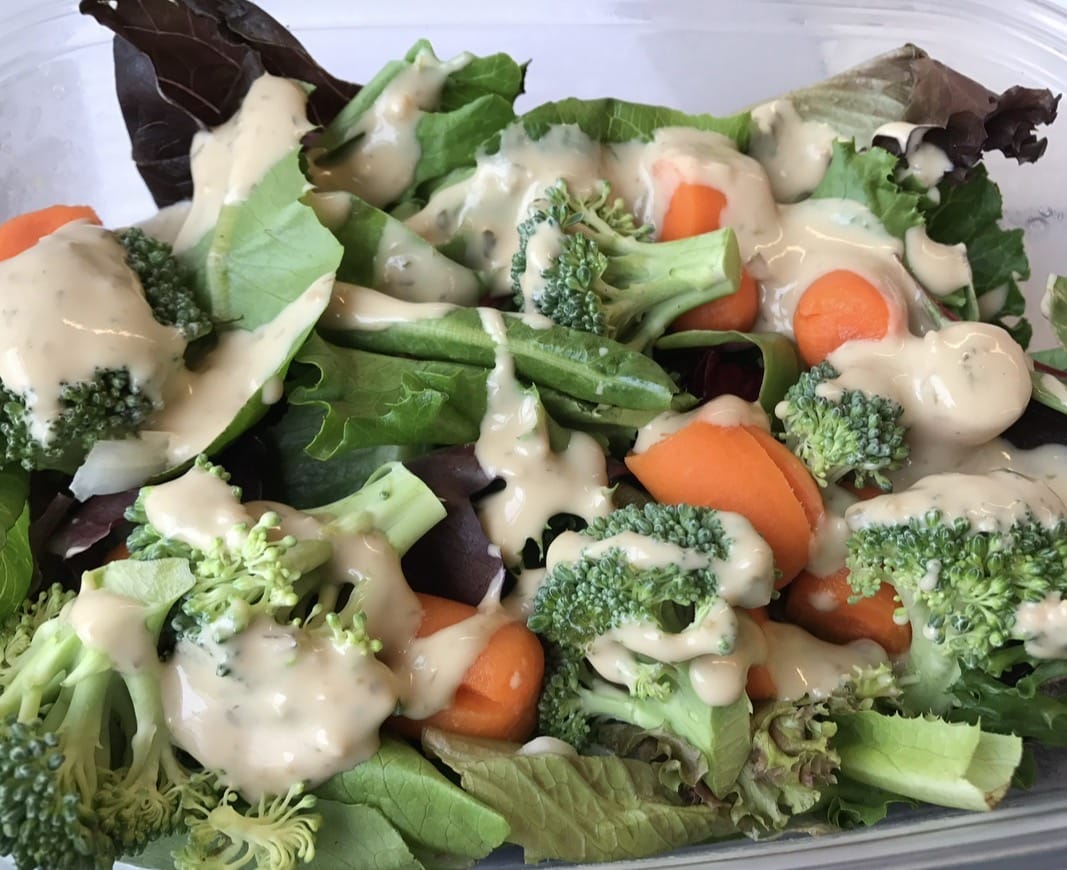
I always say we can’t pluck out one nutrient from a food and expect it to perform the same. Why is fiber so healthy in, let’s say, a piece of broccoli? It comes in this beautiful nutritional package, right? All these things play a role, just the way that nature intended it. We can’t pluck it out and put it into a can of soda and say it’s going to act the same.
DG: I’ve been reading a lot about incidences of colorectal cancer rising—not just rising, but rising in younger people as well. Why is fiber so important in that note?
SS: Oh my gosh, it’s so important for not only keeping us regular, but also, like you said, decreasing risk of many different cancers. Not just colorectal…all different types of cancer. All of the nutrients it provides, like I said, that nutrient synergy.
The other thing with colorectal cancer, believe it or not, there is a lot of research on excess processed meat consumption and colorectal cancer. So if you’re having lots of bacon or, you know, sausage, things like that, that is something to be mindful of and just to make sure you’re getting that variety. If you’re getting those plant-based proteins like beans and lentils, guess what? That has fiber in it. So that’s going to be a great natural double whammy to be getting such important nutrients into your diet. So variety is key.
I don’t think we should be hyper-fixating on all the numbers, but just think about what can I add to my diet to make a positive change this year. Instead of taking all these things away, like, can you be adding in some more high-fiber vegetables? Can you be adding in some more high-fiber plant-based proteins, right? These different things can really make a difference.
DG: What are some of your favorite fiber sources?
SS: Pretty much all fruits and vegetables. Then your nuts, your seeds, your lentils. But also you’re going to have many just natural snack foods….things that tend to be more whole wheat or whole grain or maybe they’re ancient-grain-based. Things like quinoa, or farro or buckwheat. So those different things can certainly come into the picture and work together and work synergistically.
DG: Does ground flaxseed count too?
SS: Ground flaxseed is great, and an easy way to boost fiber. It also provides beneficial omega-3 fatty acids. I would say one teaspoon to one tablespoon per day is a good and practical range. It works best ground and blends well into smoothies, but also is nice sprinkled on yogurt and oatmeal.
DG: Anything else you’re loving to serve your family lately?
SS: I feel like we can’t talk about bread without talking about sourdough. There’s obviously an explosion of people not only buying but making it at home.
We use a service (not sponsored!) called Wildgrain. I don’t want to buy bread that has all the crap in it.
Wildgrain is something I can just pop right into the oven, not even have to defrost it. And it really, to me, tastes like it’s fresh from a bakery. That’s the best part about it.